
Giving life back to our planet has always been at the forefront of our mission here at Bike Glendhu, and while we may not be perfect, we’re certainly making it our priority to always do better. Part of our Planting Promise is to get 30,000 native plants in the ground by 2030. And we’re well on the way to achieving this goal!
We’ll explain how you can get involved later in this blog but first off, let’s get into the “why.”
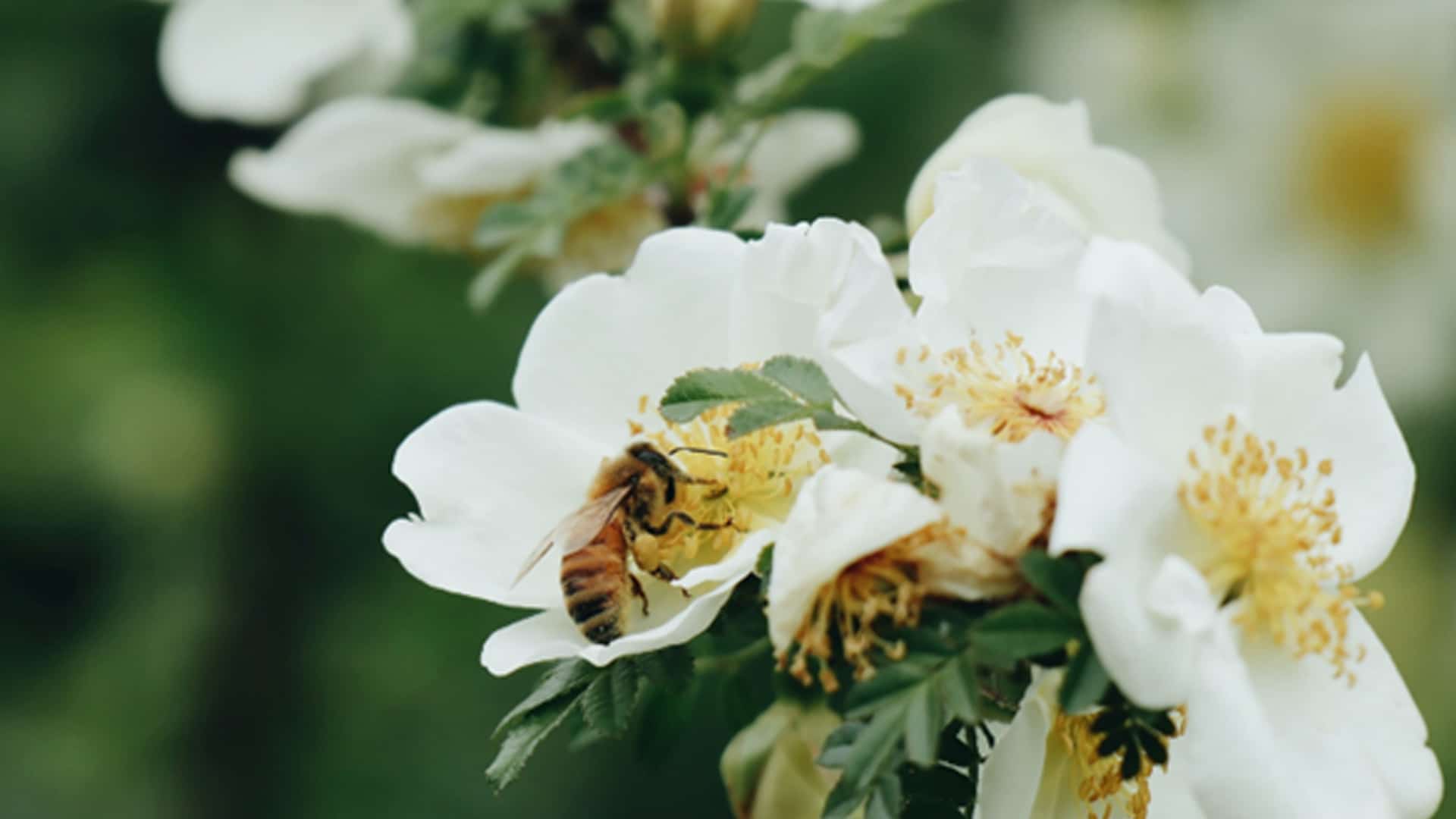
FAST-PACED PINES VS. NATIVES
We’re passionate about regenerating life for the future, not just the short-term. And while the wild-growing pine forests are nostalgic and awe-inspiring, they are simultaneously damaging to the wider ecosystem. Wild pines suffocate and shadow out essential flora and fauna that provide food and shelter for our wildlife, causing a significant ripple effect. This is why there has a been momentous effort in New Zealand to cut wilding pines and restore these areas with NZ native forest – Bike Glendhu included.
Natives have about a 5-year incubation period, where they require significantly more maintenance than your classic succulent. Yet their long-term benefits outweigh the initial hard work with their ability to restore balance within the larger ecosystem.
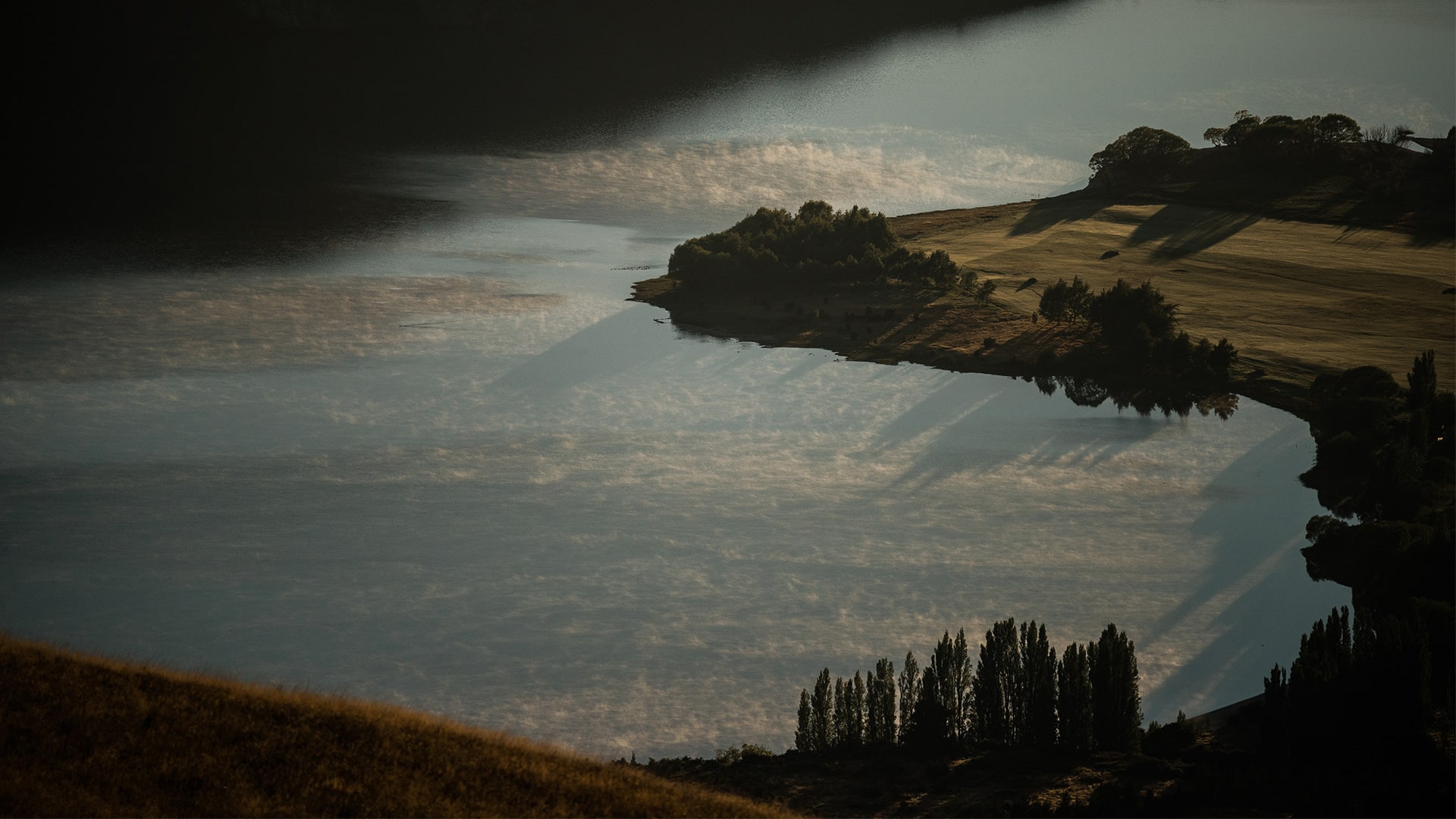
A wilding pine forest may provide a quick solution for a shady, bush paradise, but it’s a stab in the foot of the long-term regenerative dream. We made a BGTV video addressing this further, check it out here.
By doing it well once, we get to plant the seeds of a healthy, thriving ecosystem. We’re talking about the birds, the bees, and the nikau palm trees.
THE PLAN
It’s important when looking at eco-sustainability, that we do not use one brush stroke to cover the whole planet. Every microclimate needs special TLC. Here at Bike Glendhu, we’re taking extra care to ensure that what we plant is suitable for Mother Nature in this region.
For example, Mountain Beech grows at high altitudes and on less fertile soils, forming a tree line closer to Falcons’ Nest, while Red Beech prefers the foothills and inland river valley floors, particularly where soils are fertile and well drained. Beech trees offer essential home grounds for those furry, fantastic native fungi and beech scale insects play a vital role in the food supply for a range of native bird and insect species.
Kānuka and Mānuka are not only bee magnets, but the plants are valuable restoration assets, as they are not usually eaten by grazing animals like sheep, cattle, and goats. They create shade and shelter from the wind, providing an excellent nursery for other, slower-growing natives. Then, as these other plants get taller and overtop them, the Mānuka and Kānuka die away as a result of being shaded. Go teamwork!
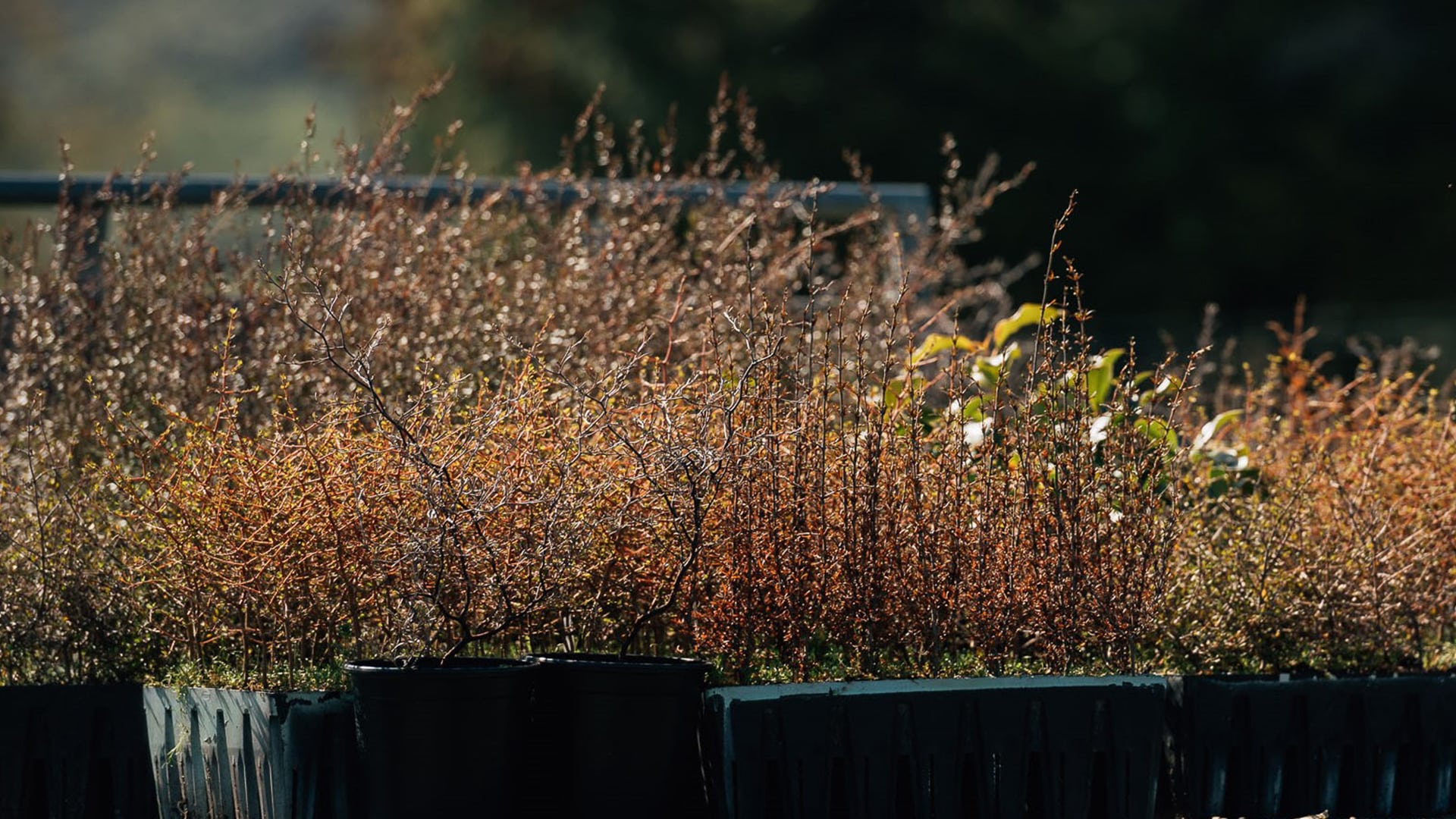 Matagouri has special micro-organisms on its roots that enable the plant to take nitrogen from the atmosphere and convert it into a form that can be used by the plant. They enrich the soil around them and thereby allow other plant species to regenerate. Another fun fact about Matagouri is that its thorns were used by early Māori as tattooing needles when no other materials were available. That’s one talented plant!
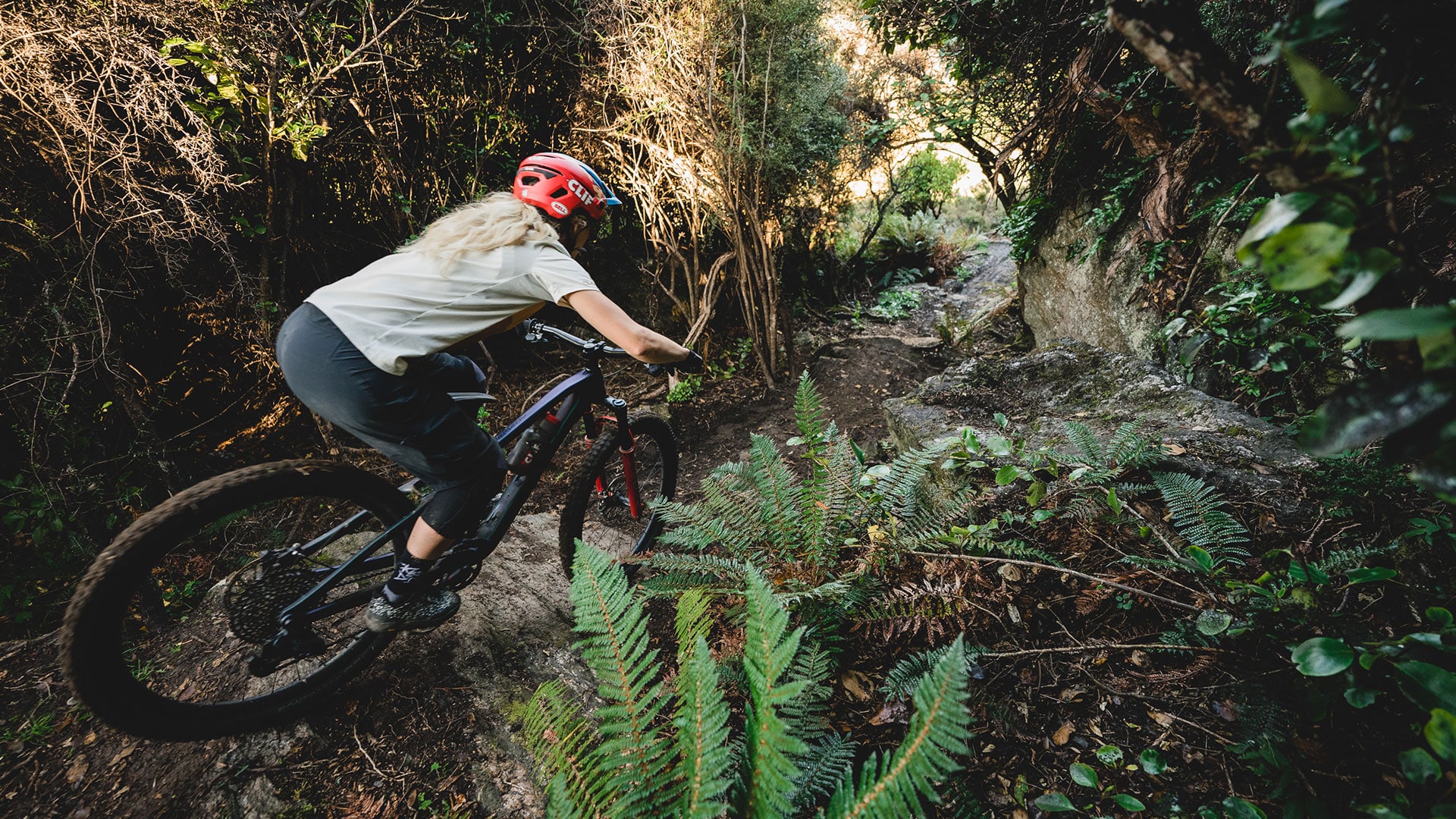
Coprosma bears fleshy fruit and provides a valuable food source to our native birds. Imagine sending it downhill through a sun-drenched beech forest that is teeming with bird life. That’s where we’re going.
THE RIPPLE EFFECT
The ripple effects of restoring natural ecosystems spread far and wide. Studies show time and time again the positive impact of natural environments on our mental health as individuals, as a community and the planet as a whole.
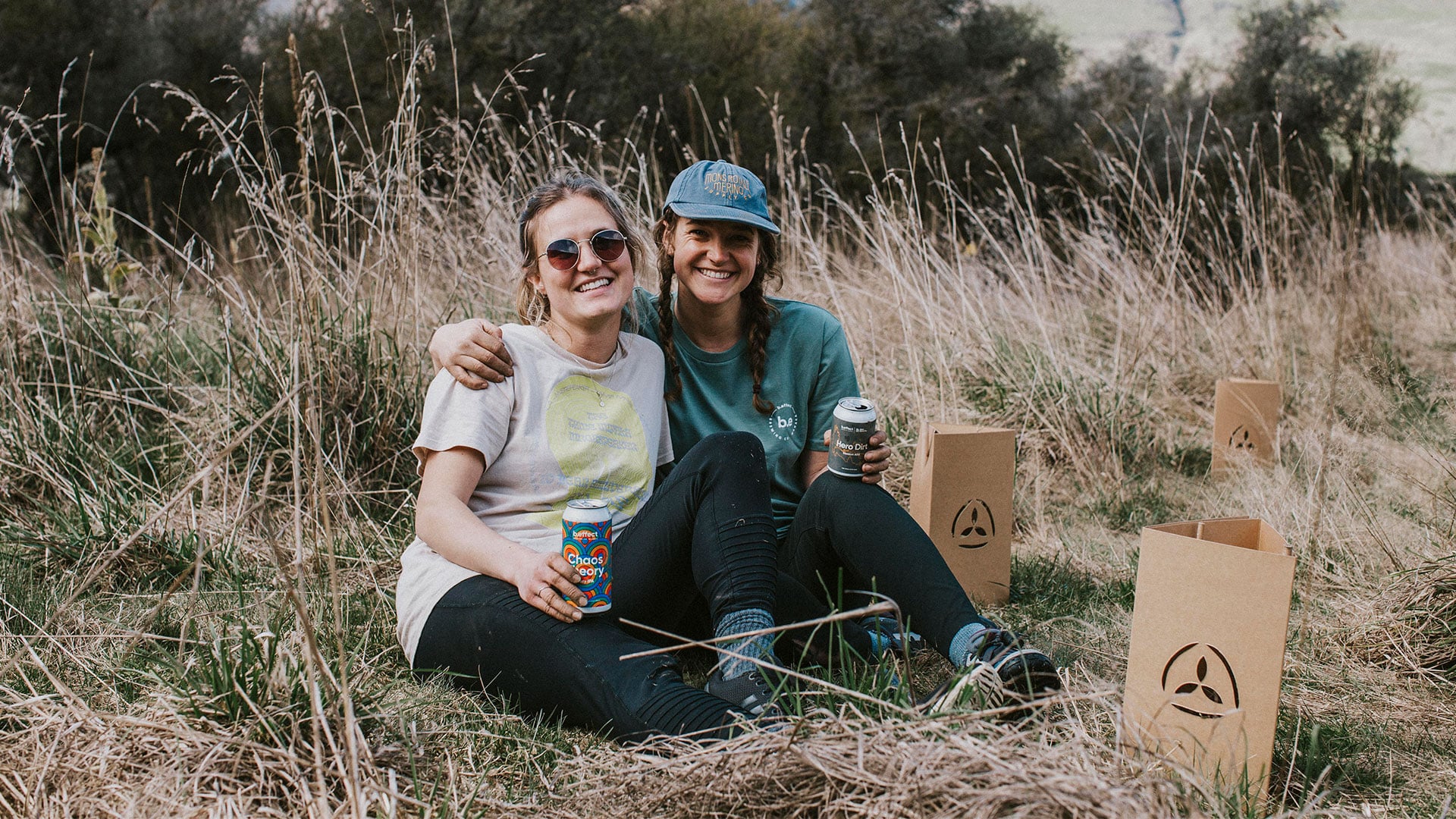
In time, our native oasis here at BG will not only be an epic place to ride but a place to come home to, a place to feel good, and a place where everyone can be a part of the global effort of regeneration. And we think that that’s something to get really stoked about!
THE HOW-TO
We have a range of ways to get involved in the Planting Promise with carbon emissions offset options, tiered plant purchasing, and public planting days with bikes, beers, good beats, and all your besties
Let’s start with one of the easiest ways to get involved; donating! Even though you can donate any amount to our Planting Promise, consider these two options when it comes to donating a plant; $5.00 for a plant, or $10.00 for the plant and the plant nest (as you can see in the image below). This way you can feel extra chuffed about yourself knowing that you’ve invested in some tangible green goodness!
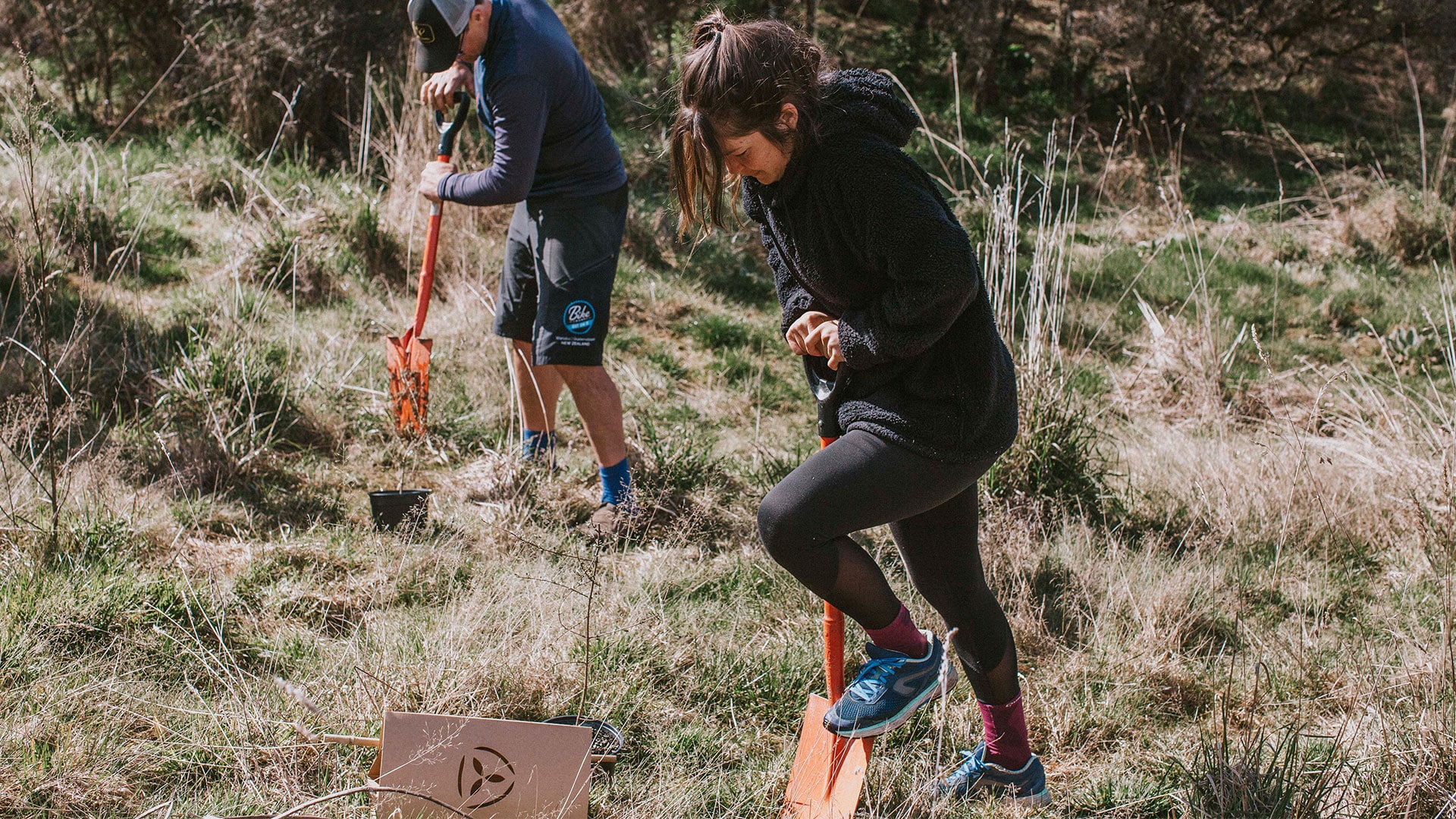
A second way to get involved is to offset! If you are a business or individual looking for ways to offset your carbon emissions, please get in touch.
Finally, we invite everyone to join our public planting days! We currently have two lined up for the 2022.23 season: This coming Saturday, November 5th and April 22nd, 2023 (Earth Day). Our planting days are heaps of fun, in part thanks to b effect brewing co. who supply the vibes, as well some cold bevies. You can register in advance to get a free shuttle for the crew up to Jack’s point, where the planting party is happening, just reach out!
Stay up to date with all our upcoming events here.